My Adversary: Apathy

https://www.flickr.com/photos/plagal/2854281112/


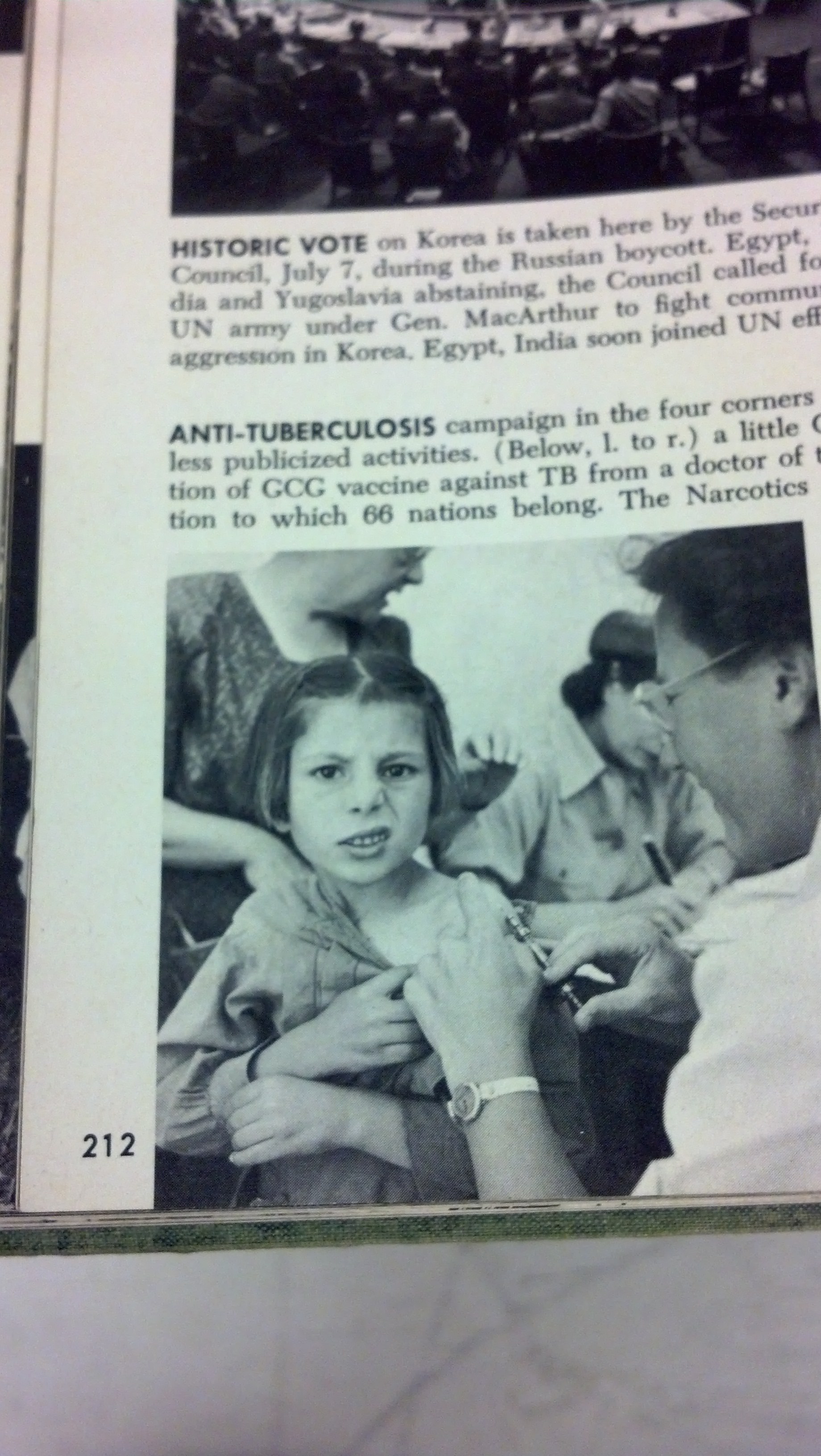
If you can’t make people care about objects and the culture they represent, you can’t save them. You can preserve them, but you can’t save them. To make people care, you need a story. When the objects don’t come with a story of their own, it has to be hunted down and attached to the object like Peter Pan’s shadow. 

This is a gross oversimplification, but a lot of objects come to museums when their owners can no longer care about them due to death, illness, or no one in subsequent generations will care about them so the current owner goes looking for a new custodian. Most of the time objects come to the museum after someone has died or as someone is sorting out their belongings after a health scare. It’s not 100% of the time, but it is the vast majority. I do a lot more grief counseling than you’d imagine in a given year. I was lucky in that my first boss was also a chaplain so I had a good role model and assistance when I needed it as I was getting my footing. 

I give the donors an opportunity to tell me the stories (if any) that accompany the items. I wish I could tell you that the majority arrive with a story, but they don’t. Usually all I get is the name of a previous owner and a brief description of how they believe it was used. Sometimes that’s all that gets recorded and then it goes into storage. If the object inspires curiosity I will attempt to go all history detective on its ass. About 2 out of 3 times I turn up no further information or hit dead ends. But that third time I hit pay dirt and discover a story I can tell using the object to inspire the public to care about the object and its story. 

Objects that come with stories are the most valuable objects in any museum collection. A museum without stories is just a building full of stuff. 


Noodler Creaper Flex

IMG950559
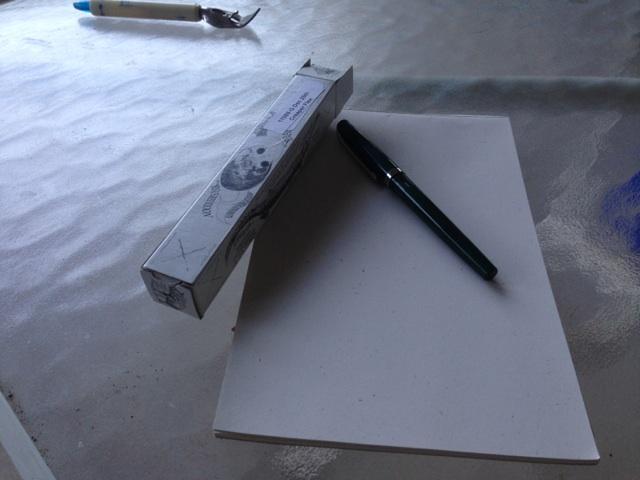
Ooo a box

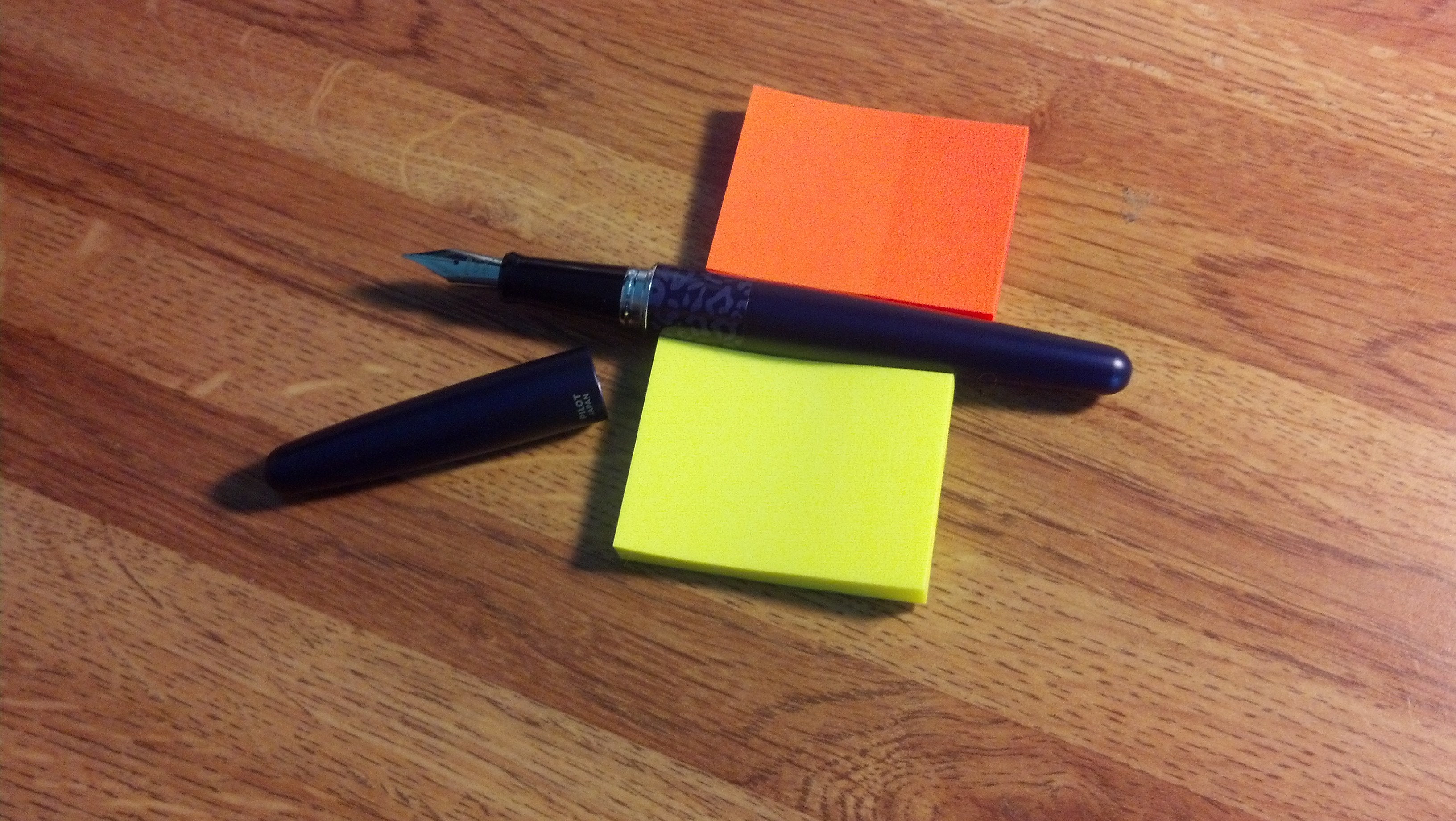
This week’s pen is the Dec 25th Creaper Flex by Noodler’s. I’ve been a huge fan of Noodler’s inks but this is my first Noodler’s pen. I bought this on sale at Goulet Pens and they don’t seem to have this particular color  at the moment but if you go check them out there are plenty of other colors.

There's a pen in the box!
There’s a pen in the box!
There's also an informative paper about the pen, how to fill it, use it, and replace its gasket.
There’s also an informative paper about the pen, how to fill it, use it, and replace its gasket.

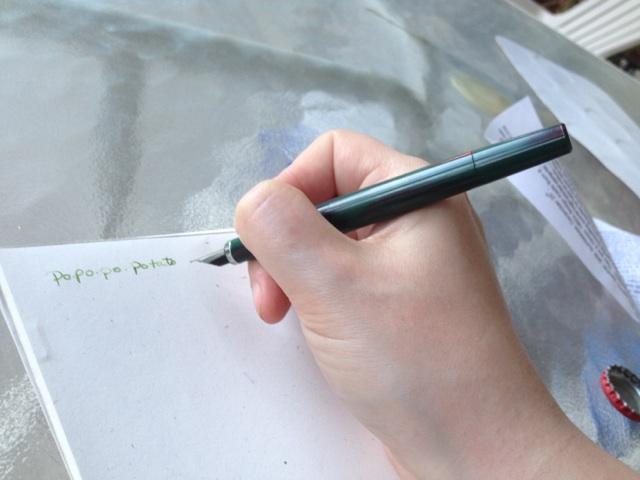
I had read that the Creaper Flex are pretty small pens, so I was excited to get one to try out the size for my hands.

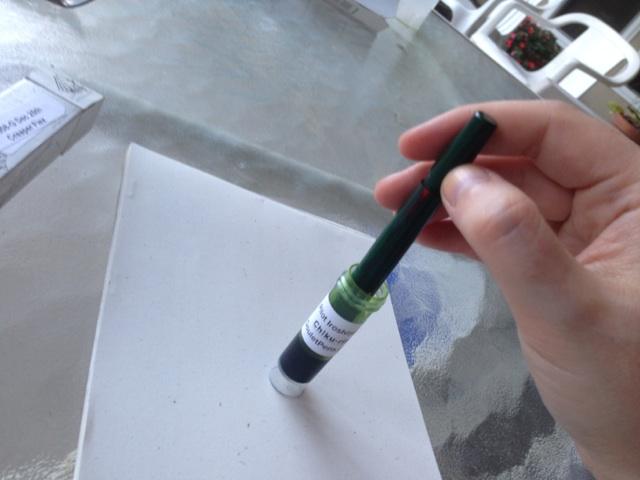
Pen in the hand.
Pen in the hand.

I can see how this might be a bit uncomfortable to use if you have larger hands as the barrel is really quite narrow, but it feels pretty good in mine.

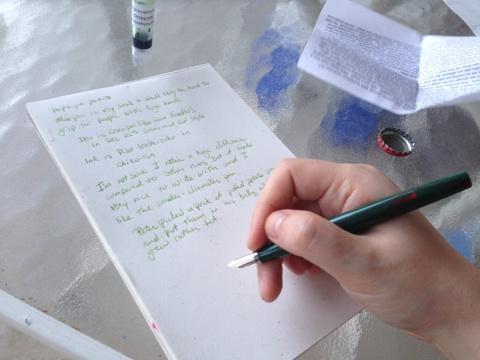
IMG950568

I can see myself using this pen quite a lot in my pen rotation. It is fairly light, feels good to write with and its narrow width makes it particularly good fit for my hand.

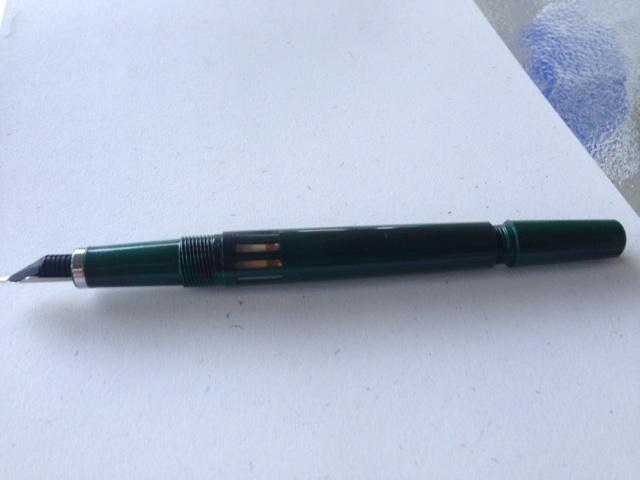
IMG950570

This is a piston fill pen, which is filled a little differently.

To fill, you unscrew the back while it is dipped in ink.
Like so.
Like so.

The Good

  • comes in various styles and colors
  • replaceable parts
  • narrow barrel
  • writes nice
  • light without the cap but not flimsy feeling

The Bad

  • hard grip
  • no cartridge option
  • threads for the cap tend to dig into my finger

Overall grade: B+

I kind of want more than one of these pens because the narrow grip is really nice for me, but I wish the threads were just a bit higher up on the pen.


Ghosts in the IM: Conversations between Writers

So, I had this idea that I’d talk to other writers about writing and post it up our conversations for other people who don’t really know what writers talk about amongst ourselves. I’m ultimately very lazy, so I made it Instant Message conversations so I wouldn’t have to transcribe anything. I also had the ulterior motive of wanting to talk to some writers one on one that I’ve never had the opportunity to. For my inaugural conversation I chose:


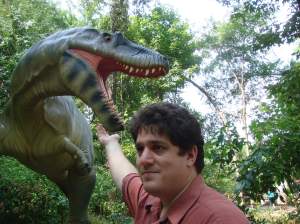
Richard Dansky
Dansky-Dinosaur-Pic


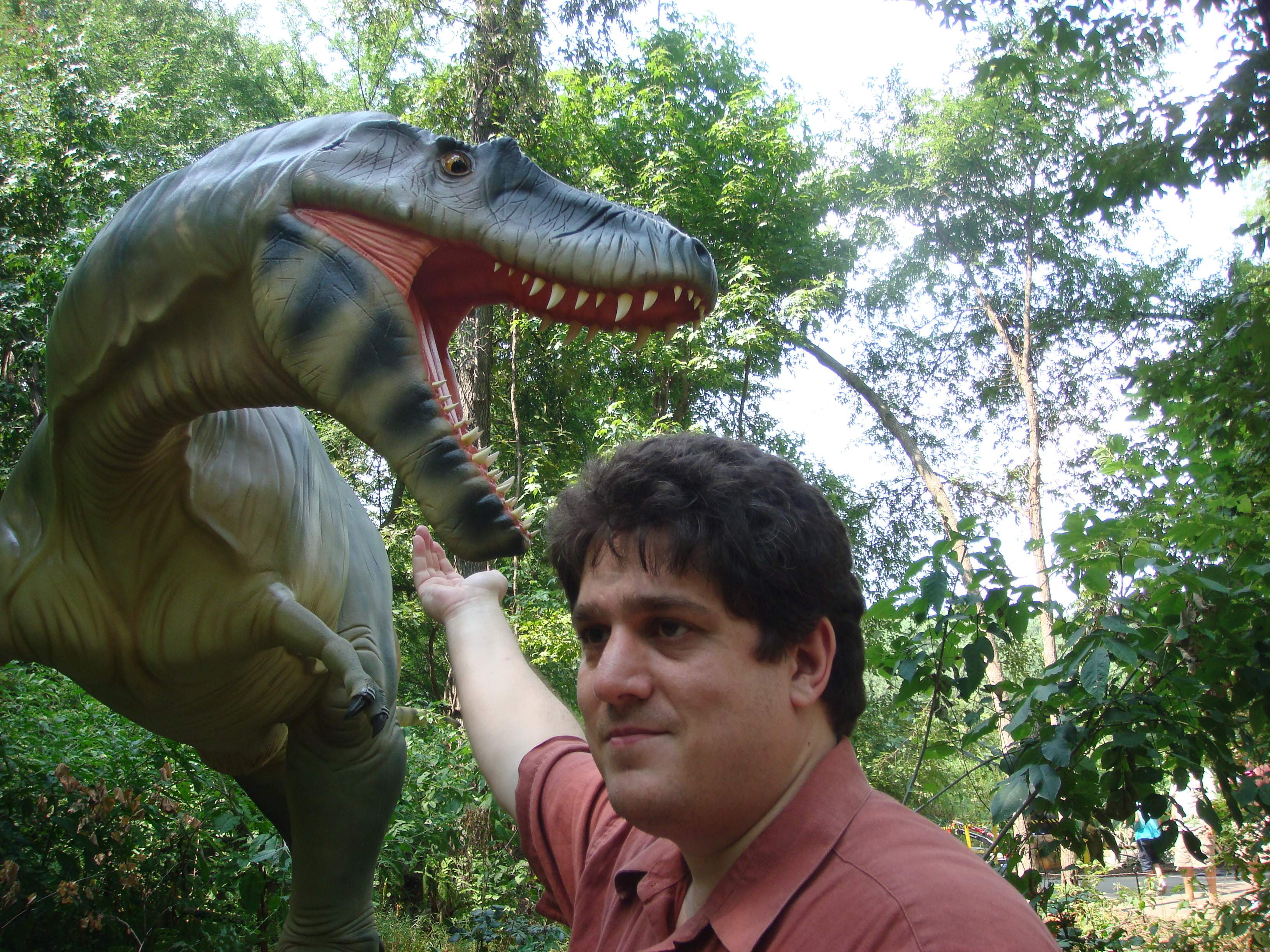
Richard Dansky is a writer and game designer, an enjoyer of Scotches and watcher of Sasquatches. For more about him check out his website, wikipedia, Twitter, or y’know go buy his newest book: Vaporware


Minerva Zimmerman: Do you ever worry what Google will eventually do with your chat history after you’re history?

Richard Dansky: Actually, I’m hoping that someone’s going to go through them and compile and annotate them, so that writers of distant generations will be sure to get all my obscure Van Der Graaf Generator references.

I mean, in a lot of ways, this is the new literary correspondence. It’s just much more available to those of us with terrible handwriting.

MZ: Oh man, I’d hate to be the poor bastard that’d have to annotate writer chats

It’d be a grad student, I’m sure of it

RD: And probably their first step on the road to a career as a supervillain.

MZ: Well, they would have all of the body disposal methods writers discuss among themselves.

Now, I don’t actually know you all that well. We harass each other on Twitter and have mutual friends but I think this is the first time we’ve talked directly.

I went and did a little research (I checked your wikipedia page) and I knew about White Wolf: Wraith, and that you wrote for video games, but for some reason I never really put it together that you work on the Tom Clancy games.

RD: It’s a mixed portfolio, I confess 🙂

MZ: I’m kind of curious how that happened since it doesn’t seem like an immediate fit for the spooky reputation I know.

RD: Red Storm was founded in part by Tom Clancy, and so the Tom Clancy’s games were always very much at the core of what the studio did. I actually was brought on board for another project entirely, one that was non-Clancy in nature.

But when we were bought by Ubisoft and development on Clancy games got spread out to various studios, having central subject matter experts was seen as a good thing – people who could elucidate what “Clancy” was and wasn’t in terms of games, and who could say “No, you can’t set a mission there because we did it two games ago” and so forth.

And on the writing side, my skill set was a good match for that and I was already in-house, so it just sort of rolled from there.

MZ: So you default were the game world bible, and thus became the keeper of the bible?

RD: And I was very good at generating more verses rapidly as needed, as it were.

MZ: gotcha. What do you enjoy about game writing vs. fiction? I know for me, it was the fun of doing all the world building without having to go through the full-draft and then editing process of fiction.

RD: The fun of game writing is collaboration, both with the other people working on the project and with the players. My words, combined with models and animations and physics and systems and everything else, makes something amazing that I could never make by myself, and to see that come together is a thrill. And then, once players get their hands on it and get to do /their/ own thing with it, that’s fun all over again.

At the same time, fiction’s a nice change of pace from that precisely because it’s not collaborative and the restrictions that come from coordinating with other folks – disc footprint, number of voice sets that can be loaded, etc. – don’t exist. So I can cheerfully do my own thing and have an army of dead warrior leaves in the millions without wondering if the AI engineers are going to have a heart attack.

MZ: I have a really really difficult question.

RD: Yes?

MZ: If you were a radio DJ with your own show, what section of what prog rock song would be your opening music?

RD: Oooh.

Tough choice there between something from “Scorched Earth” by VDGG or the opening chords of “Slainte Mhath” by Marillion.

I wear my neo-prog influences proudly on my sleeve. And in my voluminous collection of concert t-shirts.

MZ: I personally think it’s one of the more interesting things about you

I dunno what that says about me

RD: It says that you’re easily amused, possibly 🙂

MZ: I do resemble that. I think that just makes me have a more fulfilled life though.

One of the other things that sticks out for me about you, is your Kill the Goddamn Vulture column

Is “the vulture” something you struggled with? Ok, what I want to know is; Does it get better?

I keep thinking that this writing gig will get easier and the self-doubt will ease up, but it seems to mutate.

RD: It is, and it’s something I’ve seen many of my friends, all of whom are ridiculously talented people, struggle with as well.

You see brilliant folks who are great writers or singers or musicians or designers or whatever do all the work and finally have the opportunity in front of them where it can pay off, and they decide they’re not worthy or they’re not good enough or they don’t deserve to do it or hey there’s this other thing that they’re going to focus on until the opportunity’s passed. And that’s painful.

But the good thing is if you recognize it, you can do something about it. You can spot yourself “vulturing” and not let yourself get away with it.

MZ: Are their passed opportunities in your own past that help remind you?

RD: And it helps if you have friends who love you who will point it out, too, and call you on your own bullshit. God knows I’ve needed it on more than one occasion 🙂

MZ: I know that’s what’s made the difference for me in some cases, because I’ve had those times when I know I let something amazing slip through my fingers and I don’t want to do that again.

RD: I have a list of opportunities I just sort of aw-shucksed my way past, and I pull that out every so often as a reminder. Because I not only hurt myself by not taking an honest swing at those, I hurt the people who’d helped get me those chances, and that’s what really bothers me still.

MZ: Wow, yeah. That sounds really familiar.

I don’t understand people who claim they got to where they are all by themselves. I know there have been so many people who have caused me to have opportunities. I hope I’m paying it forward for other people, but sometimes I don’t know that it’s something you can ever really pay back.

especially when you didn’t cash in some of those opportunities you were given

RD: There’s a certain value to self-mythologizing, I’d guess, and I don’t mean to denigrate the hard work anyone who achieves a level of success puts in. But I know how many folks have helped me along the way, and I always try to give them credit, and to follow their example by helping others where I can.

MZ: Where do you sort of consider yourself to be in your career arc? I know I have trouble sort of seeing where I am in the big picture and tend to focus really myopically on where I am Right Now. I consider you to be a fair distance ahead of me on the arc and I’m wondering if you have a better idea of where you are?

RD: I have absolutely no idea where I am in my career arc, or if it can really be described as an arc at all. I’ve been fortunate enough to have had the chance to work on some wonderful projects in multiple fields – best-selling RPGs, million-selling AAA videogames, writing a novel that got a starred review in PW – and occasionally I look at my credits list and say “I did all that?” Because it’s always easy to nitpick what you’ve done and say “Oh, I got lucky there” or whatever and downplay that you’ve done something really exciting and cool.
But at the same time, there are so many things I want to do that I haven’t done yet. I want to do more novels. I’ve got a card game I’m hoping to publish soon. I’m attempting a graphic novel collaboration with someone, and even the cockamamie sports blog I write because it amuses my father.

So I guess if I were at the end of the arc, it would be an arc that I could be proud of. But I’m hoping I’m in the middle, and that I’ll always be willing to be at the beginning for something new.

MZ: I like that. I want to be perpetually in the middle.

I like the feeling of having a long future of lots of things.

I guess I just wish I had some long fiction to point at too

RD: As Brian Upton once told me, you never add multiplayer at the end of the development cycle, because adding it means you’re back in the middle 🙂

MZ: there are additional reasons not to add multiplayer at the end too 🙂

Is there something you wish you could tell your baby writer self?

Like, right when you were starting out and starting to take it seriously?

RD: Ease up on the Diet Coke 🙂

On a more serious note, I would tell my younger self to build and reinforce my professional writing habits. It’s easy when you’re 23 and made out of caffeine and lightning and you’re immortal to say “well, I’ll just pull six all nighters in a row and BAM”, when really developing a solid, steady work process would obviate the need for that sort of heroic effort.

And probably produce better work in the end.

There’s certainly a romance to staying up 97 consecutive hours to write fiendishly, but there was also a certain romance to gallivanting over the Alps with a poofy shirt and a bad case of consumption while writing poetry, and that tended to turn out poorly for everyone except the pathogens.

MZ: Is there anything additional you would tell your 30ish self?

RD: “Get some sleep”. You’d be amazed at how much better everything is if you get enough sleep.

MZ: There really isn’t a good transition for this… but, Sasquatch.

RD: Oh dear. Yes.

MZ: One of my favorite bits of following you on Twitter is your livetweets of watching Finding Bigfoot.

RD:I have such a love-hate relationship with that show. On one hand, I love cryptozoology and I love the enthusiasm that the four cast members go out in the woods with. I mean, they’re actually going out there and looking, and they’re doing it in good faith. At the same time, sweet fancy Moses, there are moments when you just look at what they’re doing or they’re saying and it’s just, c’mon, really?

I freely confess I have never seen, heard or smelled a bigfoot, but I caught the bigfoot bug from an episode of “In Search Of” – the old Nimoy version.

MZ: I loved that show! I’m a huge fan of “ancient secrets” and cryptozoology and the like shows.

RD: The Amityville Horror ep freaked me out. I was maybe 6 or 7 when I saw it and it was pure nightmare fuel.

MZ: I have never managed to watch past the first 20 min or so of the original movie, and then to see all the “true crime” investigations of the house… AHHHHH

RD: I love those shows too when they’re done in a spirit of inquiry. When it’s “bad rhetoric 101”, like, say, Ancient Aliens, well, then it’s hate-watch time.

MZ: yeah, I’m not a fan of Ancient Aliens

RD: But I maintain affection for Finding Bigfoot. Ranae’s actually RTed a few of my snarkier comments, which means I can die happy.

MZ: Well, I should probably wrap this up before we talk all evening.

How about a couple influences you think other writers should read/be aware of?

RD: Read “The Simple Art of Murder”. Read Bradbury’s “Zen In the Art of Writing”. Read stuff you wouldn’t read by choice to broaden your horizons. It’s a big world out there with a lot of stuff that can make your writing better – be open to it.


Museum Collections: Slowing Down Time


As catchy as the song is, Museum Conservation isn’t about turning back time, or even stopping it. Museums are all about making things last as long as possible without erasing the marks of their past use and still being available for the public. It is a constant balancing act between preventing further deterioration of an object with making sure the object isn’t being protected to the point that it has no value to the public. It’s also tricky because you can’t think on a normal scale of time. You have to think about years, decades, or even centuries.

For example, a watercolor painting is actively destroyed by light exposure. The best way to preserve it would be to put it in a light free environment and never show it. That’s also totally useless. The better solution is to keep it away from sunlight (windows), possibly cover the painting itself with UV protected glass or plastic, and only show it for a limited amount of time before putting it back into dark storage for a time. The public still gets access to the painting, the length of time it can be displayed over its existence is lengthened by precautions, and its limited display time further extends the number of years the painting will exist.

I personally think the most important thing to remember in Museum Conservation is that you can’t save everything. If museums tried, they’d fail to save almost anything because their resources would be spread too thin. The most important resource is also the scarcest: staff time. I am currently the only Collections person for the entire museum I work at. Our collections span hundreds of thousands of objects in multiple locations. I only work part-time, so even if I spent 30 seconds with every object… well, even if you’re as bad at that math as I am, you can tell it doesn’t look good. I have volunteers and help so it’s not quite that dire, but the truth is most collections problems could be solved with more time. I joke I have job security, but the truth is, I can never, ever catch up. It’s just not possible. Even working full-time I could work the rest of my life on these collections and never fully catch up on every bit of preventative care, record keeping, etc.

Living with that knowledge and to keep on working anyway, is one of the hardest things in Museum Collections. I don’t wish I could turn back time, but sometimes I wish I had a time-turner.

Blog Hiatus

A snap dragon impossibly growing out of my parents' driveway wall.
A snap dragon impossibly growing out of my parents’ driveway wall.

So, I’ve had and have a lot of future travel in my current sphere of things. Sadly this has eaten up all of my pre-written blog material and now when something comes up I don’t have anything stashed to cover for it. I have a lot of material planned, but not executed. So what I’m going to do is put the blog on hiatus for a few weeks.

I will return on or before Monday July 7th. This will give me some time to write up a bunch of things, take pictures and oh, I don’t know… maybe edit some of my entries prior to publication. I just feel if I scramble to get stuff out there with as crazy as I know things will be in the next few weeks I won’t be doing myself or anyone else any favors.

If you’re in the Seattle Area, I will be at Wayward Coffeehouse on June 20th from 8-10pm doing a reading from my story FAMILY TIDES from Broken Eye Books BY FAERIE LIGHT (Volume 2 if you buy it on Kindle or in the print edition of both volumes). Come see me and Shanna Germain, Erik Scott de Bie, Lillian Cohen-Moore, Nathan Crowder, and Jennifer Brozek LIVE IN PERSON!!!

Hope to see you there! If not, I’ll see you in July.


Pilot Metropolitan

Pilot Metropolitan Violet Leopard

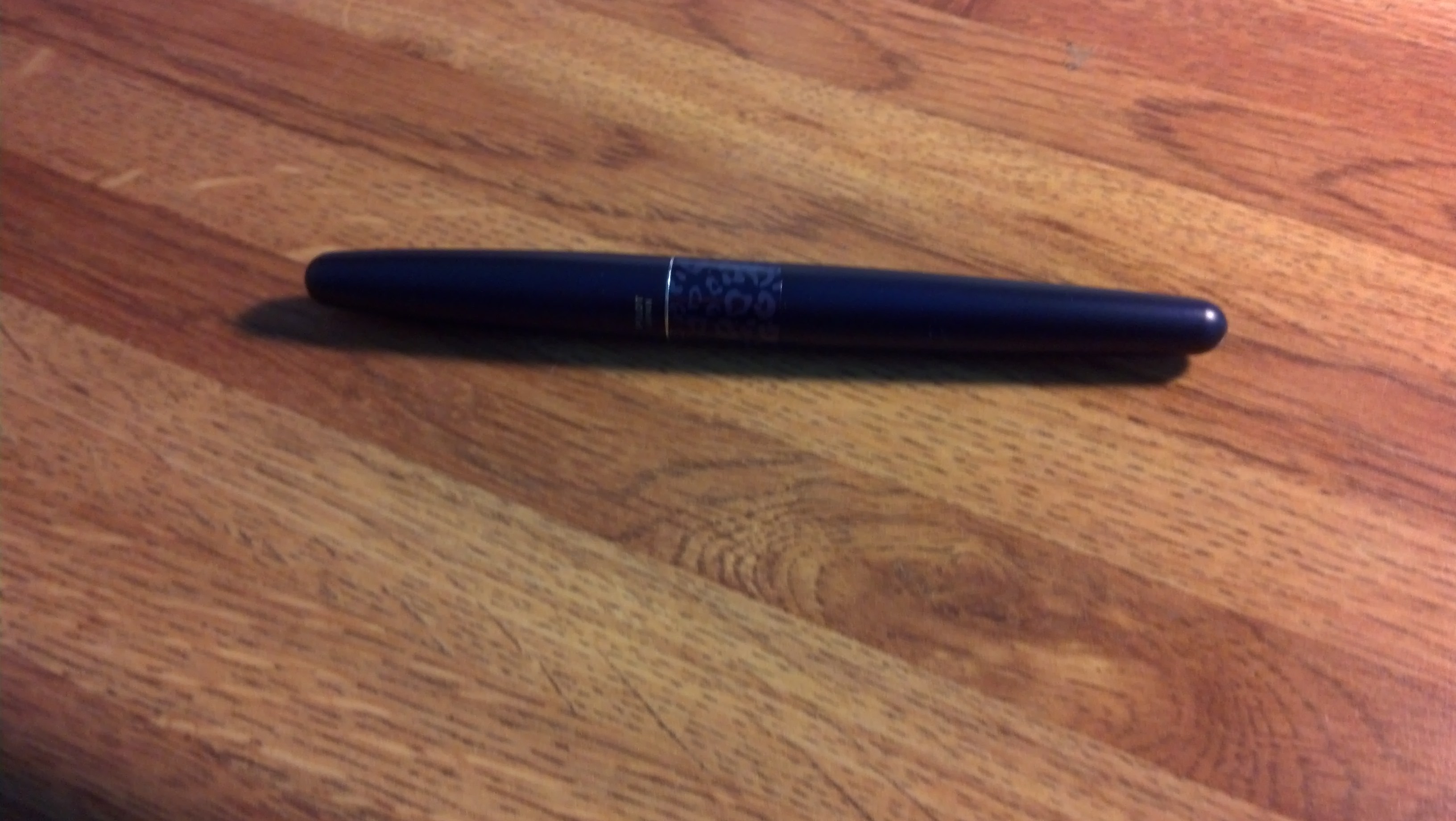
I think it’s pretty safe to say I like Pilot fountain pens. I even own another I haven’t written up yet. I bought the Pilot Metropolitan Violet Leopard (with a medium nib) on sale mostly on a whim (it was on sale and purple). It is available where fountain pens are sold – Goulet Pens, JetPens, Amazon.

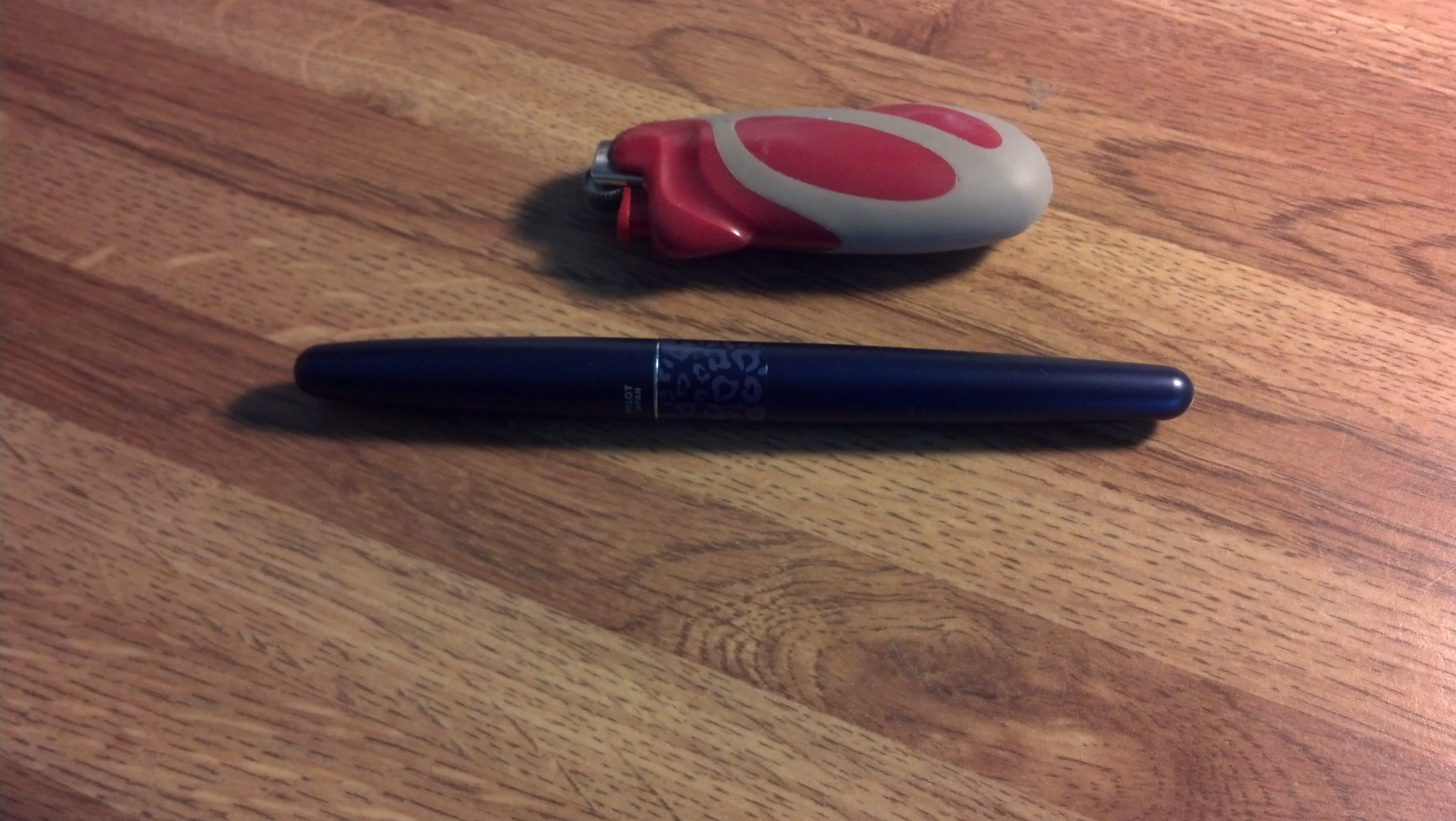
lighter for scale
lighter for scale


I’m not a huge fan of leopard print, but it looks pretty much like a spot pattern ring more than a jungle pattern to me. It’s metal, very solidly built and probably strong enough to use to bust out a car window if you’re trapped in a slowly sinking vehicle in some body of water. I can’t guarantee this, but it feels sturdy enough.

Had to use two stacks of page flags because apparently my desk is not level and it kept rolling away.

I opted for a medium nib… well, because the fine nibs weren’t out yet when I bought it and I hadn’t yet tried the Pilot Penmanship. I kinda wish I’d gotten the fine nib now… but maybe I’ll just be forced to buy another in the future (oh noes!).

Pen in hand
Pen in hand

This is a really sturdy metal pen. Because of this, it feels a little heavy in my small hands. Not bad, but enough that I know using it for long periods of time will tire my hand.

Yes, this ink is scented! I am liking it more than I thought I would cause it is pretty subtle.


The Good

  • comes in various styles and patterns
  • comes in fine and medium nibs
  • sturdy
  • very nicely made pen for price
  • writes nice
  • writes fast

The Bad

  • hard grip
  • proprietary cartridge
  • a little heavy
  • not a huge fan of the jungle pattern options
  • tends to roll without the cap when set down

Overall grade: B+

Supportive Partner

My husband, Aaron, does not Beta Read my writing. He is incredibly supportive and always willing to talk out specific ideas I’m thinking about, but he doesn’t read “unfinished” writing. He prefers to wait until my writing has passed through an editor and is at least on its way to being published.

There are a couple reasons for this; number one is that he’s not comfortable in that role. The last thing on earth he wants to do is say the wrong thing at the wrong time and keep me from submitting something because he made a flippant comment. Secondly, he knows me really really well and tends to see the seeds of my reality that blossom into unrelated fiction. Aaron has a hard time not pointing these things out, and sometimes that’s like someone describing how they make sausage right as you go to take a big bite of bratwurst. Sometimes it doesn’t bother you, others it can completely put you off your lunch. Either way it generally enhance the eating experience any.

I felt weird about this for a really long time, because generally when writers talk about how their partners support their writing they talk about their spouse being their First Reader. I felt like there might be something wrong with me as a writer or with our partnership because it has never really worked that way for me/us. Eventually I saw another writer blog about how they didn’t have that relationship with writing and their spouse and things worked out better for everyone that way.

I mentioned this fact at a panel at World Horror and I had someone come up to me after who was just as thankful to hear this from me, as I’d been to read it in the past. I wanted to make sure that I put this out publicly for the people who likewise need to see it.

I have an amazing partner I’ve been with for 14 years now. He supports me  and my writing, but isn’t and can’t be my First Reader. That isn’t just OK, it works out great for us. Figure out what works best for you and yours and don’t worry about what anyone is or isn’t doing.

Museum Archives

IMG_20140502_145722_324

As most of you know or realize, my day job involves museum collections at a small to medium sized museum. Lots of stuff, not a ton of funding. Today I’d like to talk a little bit about museum archives and what kind of stuff you might find in them. I’m writing this specifically for writers in mind, so if you have a question about the topic I don’t address please ask it in the comments, send me an email, or @message on Twitter.

Archives are collections of historical documents. Diaries, books, letters, articles, advertisements, genealogies etc. are all the sort of things that tend to fall under archives. One thing we have at our museum that seems to be more common to small museums are newspaper clipping archives. I’m going to guess this is common in archives established before the 1990s. It ends up being a gap-filled analog version of the internet. Predating my time at the museum our clipping files were sorted into Subject Files and Family Files. This was to facilitate use by researchers. Usually researchers are seeking information on a specific person, family, or subject.

A lot of this information can now be obtained easier on the internet, but nowhere NEAR all of it. Even though the local newspaper has been digitized… no one has yet to go through and catalog the articles by subject or name. You need the date and issue of the paper to find the digitized information. If you don’t have that information the newspaper clippings are a great place to start your search. The archives also contain magazine articles, related advertisements, stray documents and correspondence. Looking into a subject file can be a bit like falling down a TV Tropes internet hole. Sometimes you hit gold, sometimes everything you read is fascinating but useless. There’s no way to know except looking through every piece of paper in a given file.

In the Family Files we generally have their membership information, which due to the early 20th century founding of the museum is often a handwritten card or photocopy of it. They often have florid handwriting, that drives my coworker who never learned cursive nuts trying to read. The cards give personal information including: spouse, parents, and children. If the person was a service member there is usually a self-reported history of their military service with branches, dates, and ranks. Anything that has been given to the museum relating to that person or family is also included either as a document or a note cross-referencing an object. Photographs are commonly found in Family Files, though we’re trying to put them with photographs and just cross-reference them now. You’ll also find partial or complete family genealogies, local articles the person appeared in (such as local awards or recognition). Sometimes there will also be correspondence from the person themselves. One of the things I’ve found most interesting over time, is that any correspondence from family members or descendants seeking information about the person or family is also kept in the file. This initially seemed ridiculous to me. I mean, why keep this at all, let alone with the file of the person they’d requested information on. However, I’ve had more than a handful of people who were completely excited because this allowed them to connect with a shoestring relation also interested in genealogy or found out about a living relation they were completely unaware of.

This is far from an exhaustive look at archives and what might be in them, but I’d like to reiterate that museums rely on donations. That means that they largely only contain what people bring them. A lot of records are lost because no one thought to keep them.

Fountain Pen Friday: Pilot Penmanship

Pilot Penmanship Extra Fine Nib on top of a Moleskine reporter notebook


Welcome to yet another Fountain Pen Friday in which I took the photos in a hotel. Hopefully this is the last of my traveling for at least a few weeks. This week I’m reviewing the Pilot Penmanship with Extra Fine Nib. I used this pen as my daily carry during a museum conference this last week. I did not ever need to switch to a ballpoint for note-taking and this is by far the finest nibbed pen I’ve ever used.

Various components. Note the screw on tiny cap.

It’s a clear pen and it does screw together… but I’m not sure if it would work as an eyedropper conversion or not due to the screw on cap rather than tight fitting snap-on. I’ll have to do some further research.

I had to look this up on my order history because I couldn't remember what model of pen this was.
I had to look this up on my order history because I couldn’t remember what model of pen this was.


This is a very long pen, but it isn't unwieldy
This is a very long pen, but it isn’t unwieldy
It writes so small I ran out of things to write before I half-filled the paper.


This pen makes me want to sketch and doodle and was an absolutely perfect note-taking pen. I am enjoying using it.

The Good

  • clear pen
  • comfortable ergonomic grip
  • screw-on cap
  • inexpensive
  • writes really really thin, nice lines

The Bad

  • hard grip
  • proprietary cartridge
  • rather long for a pen

Overall grade: A

And now for a random rant about eyelashes

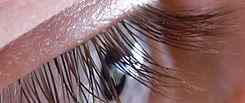
eyelash

Why is it when a character is described as having really long eyelashes it is always described by the viewer rather than the wearer of the eyelashes. It’s pretty rare that I notice someone’s eyelashes one way or another unless they have unusual makeup on them or unusual lash coloring. However, as someone who has lived her whole life with really long natural lashes, I notice my own all the time.

I have light brown hair and while my lashes are mostly in the brown-black mascara range the last quarter inch or so is much lighter from dark blonde to translucent white. Wearing any color of mascara adds about 1/3rd again of the length I have without it. Long natural lashes mean not only are my top lashes long but so are the ones on my bottom eyelids.  This doesn’t matter much to how I do my makeup (I just ignore them for the most part), but it does mean that my lower lashes are capable of getting twisted or curled INTO my eye. This means my lower lashes can drag against my eyeball when I blink and I am constantly rubbing or pulling at them to stop the sensation when it occurs.  This is very unpleasant and very difficult to fix without a mirror.  It is also possible for my upper and lower lashes to get tangled together causing discomfort and trouble opening the eye. Not often, but more than never.

Just an odd bit of lived experience to point out that even small physical details can give a character different experiences.